

Navigating Through Common Rental Frauds and Ensuring Safety
Frequent Rental Fraud Schemes
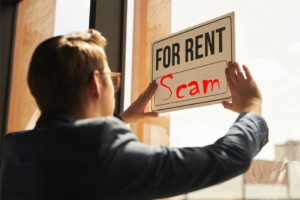
1. Phantom Rental Ads: Scammers create ads for imaginary or already leased properties, deceiving potential renters into paying for viewings or deposits, only to abscond with the money.
2. Altered Real Estate Advertisements: Deceivers post legitimate rental ads but change the contact details, leading you to give money or personal information to the wrong person.
3. Switcheroo Rental Tricks (Misleading Ads): Advertisers show a property that’s significantly different and less appealing than what’s advertised, often pressuring for deposits or agreements for another property.
4. Personal Data Theft: Under the guise of needing it for credit checks, fraudsters request your social security number and bank information, which they then use for theft or identity fraud.
5. Deceptive Deposit Schemes: Large, supposedly refundable deposits are demanded, but once paid, the scammer vanishes with your funds.
6. Unusual Financial Demands: Any out-of-the-ordinary requests for upfront payments should raise alarms. Legitimate requests should only include rent for the first and last month and a refundable deposit for keys.
7. Advertised, But Absent Features: Genuine rental listings may falsely claim to have certain amenities to increase the rent, which don’t actually exist.

Strategies for Rental Scam Prevention
Personal Property Inspection: Ensure you physically visit and inspect the property before any financial commitments.
Engage a Property Agent: Using a real estate agent, typically free for renters, can greatly reduce fraud risks.
Opt for Traceable Payments: Stay clear of cash and opt for bank checks, money orders, or electronic transfers, which leave a paper trail.
Limit Personal Information Sharing: Only share necessary personal details, and conceal sensitive data on any documents.
Verify Landlord Diligence: A legitimate landlord usually asks for references or conducts a credit check. Absence of these may be a red flag.
Secure a Formal Lease Agreement: Always have a written lease, like the Ontario Standard Lease Form in Ontario, for clarity and legal safety.
Action Against Scams: If you suspect a scam, report it to the Canadian Anti-Fraud Center or police and consider legal recourse if you’ve suffered significant financial loss.
Staying informed and cautious about these common rental frauds and protective measures can help you steer clear of potential scams in the rental market.